
Sylvania, GA |
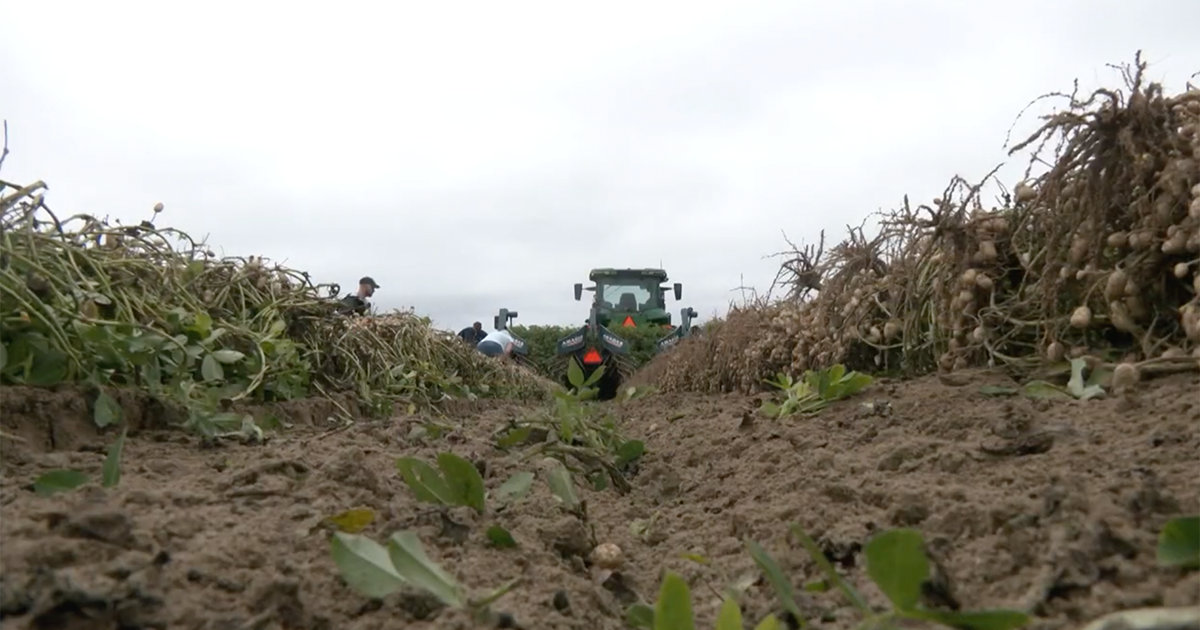
It’s officially harvest season for peanut growers in Georgia — but pulling them out of the ground is only the first of many steps in getting them to market. The 2026 Georgia Peanut Tour took attendees through the entire process, giving them an appreciation for just how much work goes into a crop farmers take for granted far too often.
“I think that farmers in particular are proud of the job that we do. And it’s kind of cool to highlight that and show what functional infrastructure for raising peanuts here in Georgia looks like,” said Donald Chase, Chairman of the Georgia Peanut Commission.
Among the stops on the tour was Sylvania Peanut Company — a local buying point that plays a key role in preparing the crop for shipping after harvest. It’s here that peanuts coming in from surrounding farms are graded, dried, and stored before heading to processing facilities and eventually the grocery shelf.
“The peanuts come in from the field. We haul most of them in here. Years ago it was primarily a farm operation, but now we’re primarily a semi facility. We still have a few small growers that grow and bring their peanuts here,” said Joe Bodiford of Sylvania Peanut Company. “When they come on this yard, we find out what the moisture is. If it’s not at the moisture we need, we go ahead and get a grade on it, determine the value for the customer, and get them where they need to be. If they don’t meet those thresholds, we’ll go ahead and either ship them out or put them in our warehouses.”
Getting an up-close look at the grading, drying, and storing process gave tour attendees a chance to experience just how much work goes on before the crop ever reaches a store shelf.
“To help you understand all the things that go into getting a good, quality peanut to market — the ultimate market is in the grocery store — we want to do our part here in doing a good job, and a better job as time goes on,” Bodiford said. “I hope they get a little sense of the amount of work it takes to get a good, quality peanut to market. Most people won’t see the peanut butter jar or the peanut snack bar or something like that and think about where it starts. But this is where it all starts.”
Along the way, attendees also heard about research, marketing, and even the international side of why peanuts remain such a significant commodity for the state of Georgia.
“We do a lot out in the field — digging and then waiting on harvest, and then the logistics of getting that to a buying point and then the buying point shipping some off,” Chase said. “It’s a yearlong process, really.”
As the three-day tour wrapped up, the key takeaway was a deeper appreciation for what it takes to produce a quality, safe food supply — and the role Georgia’s peanut industry plays in feeding the country.
“For me, it’s about understanding the integral part that agriculture and specifically peanut agriculture plays in rural Georgia,” Chase said. “When you think about the products that come from this — how delicious they are — hopefully it will bring that full circle to everyone who attended.”
For Georgia’s peanut growers, harvest season is the payoff for a year’s worth of work — and tours like this one are a reminder that the journey from field to shelf is far longer and more complex than the jar on any grocery store shelf would suggest.