
Atlanta, GA |
As Georgia works to modernize its rural communities, one of the biggest challenges remains access — particularly when it comes to high-quality computer science education. Limited resources and geographic isolation can make it difficult for small districts to offer advanced tech programs. That’s where the Rural Computer Science Initiative at Georgia Tech is stepping in.
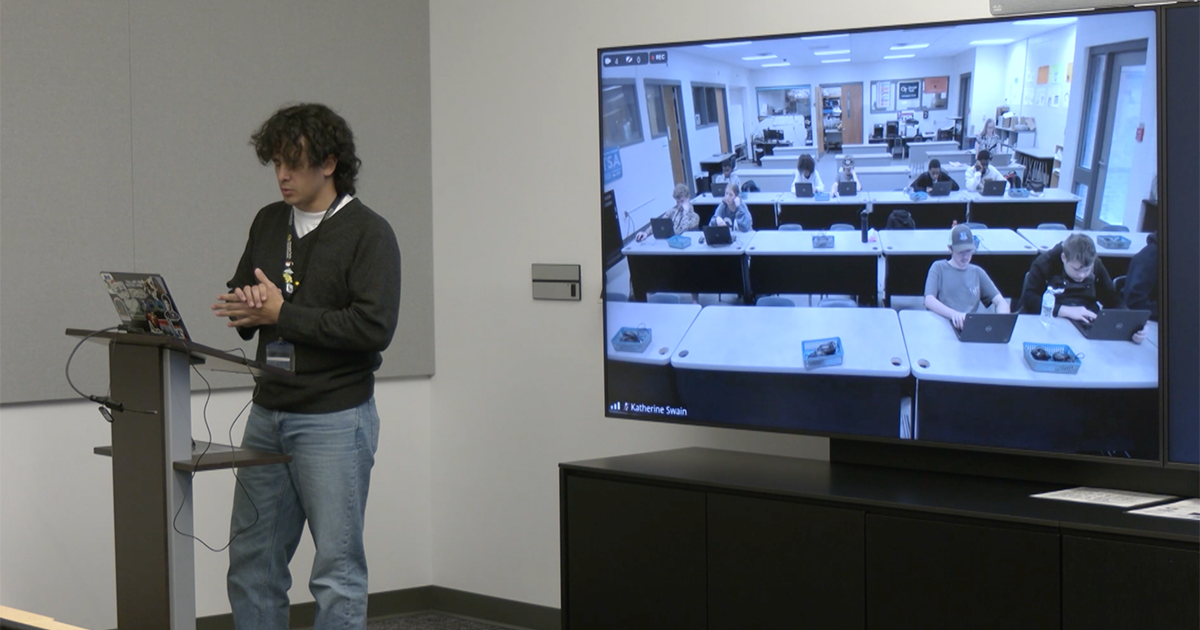
Through this program, industry professionals are virtually entering classrooms across the state, giving rural students access to the same expertise found in larger urban districts.
“We beam into the districts,” said Sean Mulvanity, Senior Research Associate with the Georgia Tech Research Institute. “We have a staff of about twelve computer science professionals — most of them are actually researchers in computer science. So, we beam in. We have developed curriculum that we implement inside of the classrooms. We teach for five consecutive days inside the classroom. And then we leave them with a project-based learning task to complete to kind of solidify their knowledge.”
Expanding Opportunities Beyond the Classroom
The goal is simple: open doors for rural students and give them the tools to compete in an increasingly tech-driven world. Whether they pursue higher education or enter the workforce immediately, the skills they gain can directly benefit their hometowns.
“A student coming through our program might come to Georgia Tech or any other institution in the state of Georgia,” Mulvanity explained. “But then being able to return back to their hometown and have an impact — there might be a company in their hometown that they can go work for. Or the nature of computer science work these days, most companies don’t care where you are located. So, we really want them to feel like they can go back to small town Georgia.”
That return on investment is especially meaningful for industries deeply rooted in rural communities — including agriculture.
Strengthening Agriculture Through Technology
Georgia’s agricultural industry is rapidly adopting new technologies, from precision irrigation systems to drone-based crop scouting. Mulvanity says introducing students to computer science not only expands career options but also equips the next generation to modernize family farms.
“Even the small farmer is having to put their toe into high tech,” he said. “Water is a precious commodity. So, not just watering your crops willy nilly — actually having sensors that are adjusting soil moisture data. Scouting timber with drones. So, there are tons of applications in the world of farming. So, we really lean into that. Because that can be where we can help educate those students to help make their family farms more competitive. So, we’re really leaning into ag tech.”
By connecting computer science education directly to agriculture, the program helps rural students see how technology can enhance — rather than replace — their communities’ traditional industries.
Building a Support Network for Teachers
The initiative also addresses another common rural challenge: isolation among educators. In many small districts, computer science teachers are the only ones in their schools teaching the subject.
“We’re building a community amongst all these teachers,” Mulvanity said. “Most of the time a computer science teacher in these small counties are kind of a party of one. They have nobody to collaborate with. So now they have fifty or sixty other people who are in a similar position to them.”
Ultimately, the Rural Computer Science Initiative aims to ensure that geography doesn’t determine opportunity.
“We hope that every student in the state of Georgia will have access to high quality computer science education,” Mulvanity said. “Not that everybody is going to become a computer scientist, but these days, just about no matter what area of work you’re going into, you’re going to have to have some knowledge of computer science. It just makes you more competitive.”
In a state where rural communities are working to stay relevant in a rapidly evolving economy, that competitive edge could make all the difference.
By: Damon Jones