
Fort Valley, GA |
Farming has always come with its share of uncertainty. From weather to markets to labor, so much of the job is out of a producer’s control. But beyond those challenges, there’s another growing concern impacting the industry—mental health.
“With so many uncontrollable factors… there’s no secret that farming is one of the most stressful professions in the country,” said John McElveen, Director of the Georgia Agricultural Wellness Alliance. “One of the most telling statistics is that we know from the CDC… the suicide rate of Georgia farmers is three and a half times the state population average.”
Breaking the Silence
That alarming reality is why events like the Farm Stress Summit are becoming increasingly important. The goal is simple—connect farmers with resources and support, while encouraging conversations that don’t always come easy in rural communities.
“Farmers tend to be tough and hesitant to share their feelings,” said Dr. Jean Sumner, Dean of Mercer School of Medicine. “It’s hard to admit that you’re struggling. But there are so many ways that you can receive help and people that want to be part of that journey.”
Throughout the summit, healthcare providers, nonprofit organizations, and faith leaders came together to make one message clear: help is available.
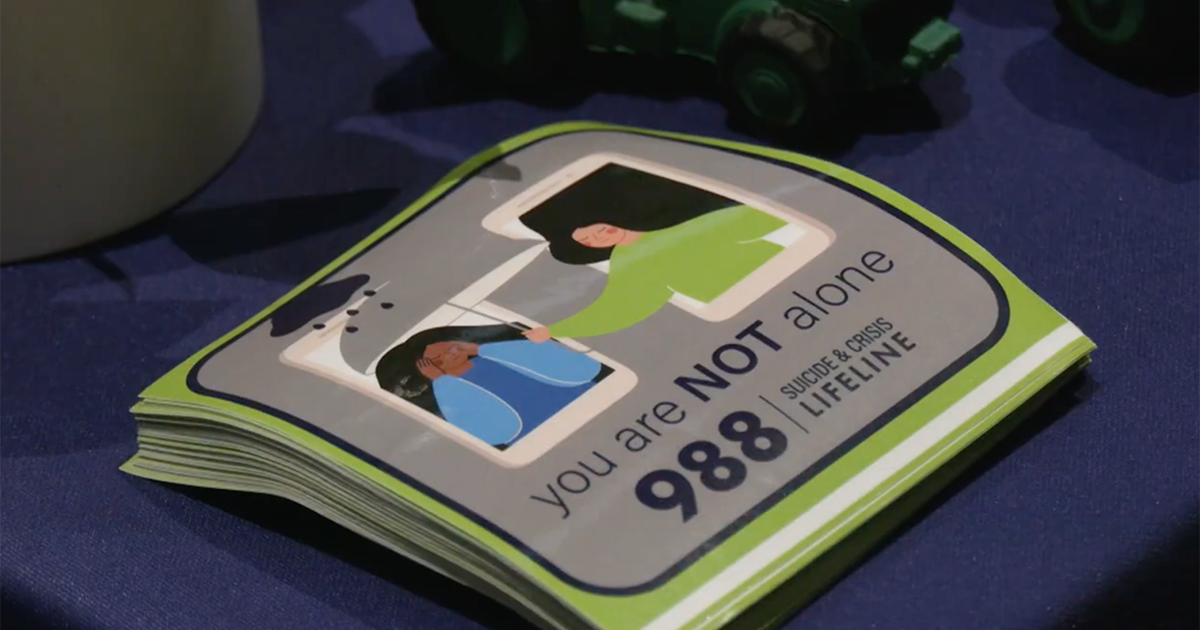
“We want them to know that we are here to help,” said Jennifer Dunn with the Georgia Department of Behavioral Health and Developmental Disabilities. “There are places you can go. We have 988… a three-digit number you can call if you’re in a crisis or just need to talk to somebody. When you call, you’ll get a Georgia clinician on the phone.”
Changing the Culture Around Help
While awareness is growing, one of the biggest challenges remains changing the stigma around mental health—especially in an industry built on resilience and self-reliance.
“Understanding that you’re not lesser, not crazy, not a failure is really important,” Sumner said. “Normalizing that discussion in healthcare and not making it a separate entity is imperative.”
For many in agriculture, asking for help can feel like a sign of weakness. But leaders say shifting that mindset is critical—not just for individuals, but for the future of the industry itself.
Supporting Those Who Feed the Nation
As financial pressures continue to mount across agriculture, the stress facing farmers isn’t going away anytime soon. That’s why advocates say supporting mental health is just as important as addressing economic challenges.
“Unprecedented challenges are what face our farmers in this era,” McElveen said. “If we can’t figure that out… we as a society are going to find out too late how critical they are.”
And that impact extends far beyond the farm.
“Agriculture is the number one industry in Georgia,” Dunn added. “We all want to eat, live in a house, and wear clothes. So we have to take care of the people who supply those things to us.”
Looking Ahead
The Farm Stress Summit is more than just a conversation—it’s a step toward building a stronger support system for farmers and their families. By increasing awareness, reducing stigma, and connecting people with resources, organizers hope to create lasting change.
Because in an industry built on perseverance, no one should have to carry the weight alone.
By: Damon Jones