
Tifton, GA |
The Georgia Ag Labor Forum brought together growers, federal agencies, and agricultural organizations to work through the complexities of the H-2A guest worker program — a program that has become a lifeline for Georgia’s fresh fruit and vegetable industry, but one that many producers say is long overdue for reform.
“H-2A has become such a critical part of our industry. Forty to fifty percent of our costs are normally in labor when we’re talking about fresh fruits and vegetables,” said Chris Butts, Executive Vice President of the Georgia Fruit and Vegetable Growers Association. “Across the industry, more and more of our growers are having to utilize the H-2A program. This conference brings everybody together — from the producer side, but also from the regulatory and governmental side — and we all get in the room and talk through it. It is a very complicated and complex program, but the forum offers the opportunity for growers and other organizations to hear from the folks administering these programs and learn how we can stay on the right side of compliance.”
The reliance on guest worker programs isn’t by preference. Butts says the domestic workforce simply isn’t applying for farm labor jobs, leaving growers with no viable alternative.
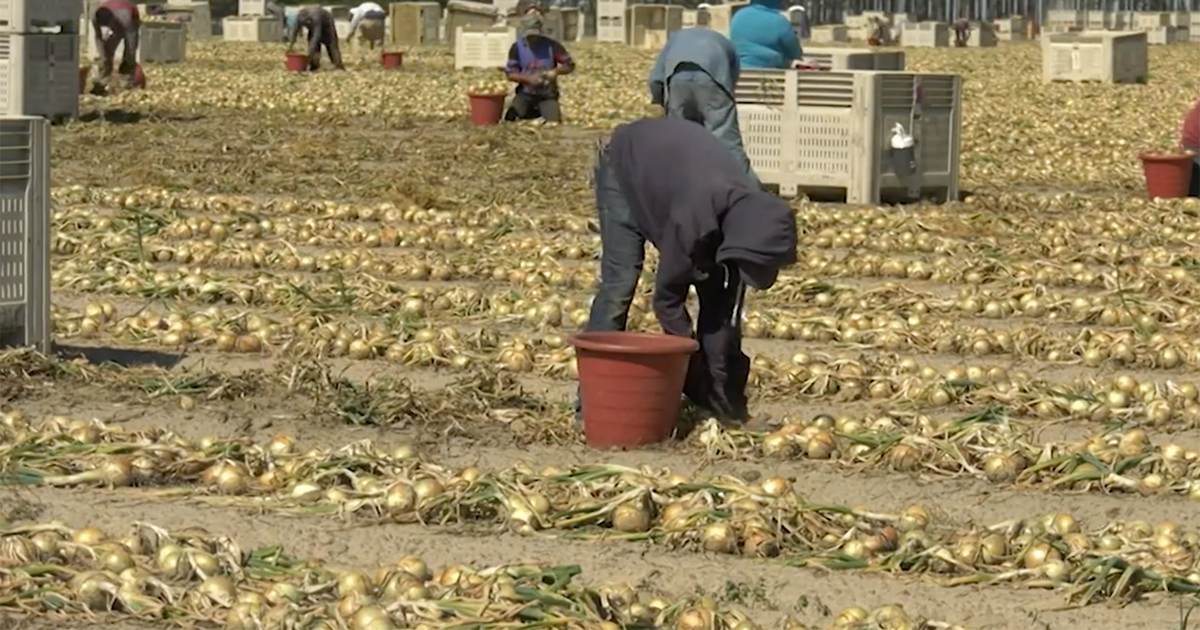
“When we try to recruit domestic workers to come do fruit and vegetable work on the farm, we don’t get people applying for those jobs. It’s hot, it’s dirty, it’s bending over, it’s lifting heavy weight over and over again — and we just don’t have domestic workers that apply,” Butts said. “The H-2A program is critical. Without it, there would not be fruit and vegetable production here in the state of Georgia.”
Critical as H-2A is, it’s anything but simple to navigate. A worker going through the program can come into contact with up to seven different federal agencies — and the rules have shifted with each administration, creating a level of unpredictability that makes long-term planning nearly impossible for producers.
Butts says a new piece of legislation known as the Securing Agriculture’s Workforce Act represents the best opportunity in a generation to change that.
“We’re twenty-five years since we’ve had any kind of meaningful reform to ag labor. This bill represents the best chance the industry has had in a long time to bring forth some of that meaningful reform,” Butts said. “It’s really important that the industry remains together and speaks with one voice. This is a really important bill from the standpoint of making the program easier to use, more affordable to use, and frankly, more predictable — so that a grower can know and predict what his labor costs may be in the next two to three years without seeing huge swings in wages one way or the other. It’s not fair to the worker and it’s not fair to the employer. We need some stability there.”
But stability and reform will only come if farmers are willing to engage in the process — and that, according to one national agricultural labor leader, is where the industry has historically fallen short.
“The future of H-2A and the future of agriculture’s success is really in the hands of the audience,” said John Hollay, President and CEO of the National Council of Agricultural Employers. “The folks up on the stage are trying to do what they can, but it’s really going to take different tactics and different kinds of engagement from the actual farmer. One of the things we struggle with in agriculture is that Americans trust farmers more than anyone — polls continue to put that out there — but farmers often aren’t willing to speak out and utilize the trust they’ve earned. Reform isn’t going to be easy, but if we all work together, we can actually get it done.”
For Georgia’s fruit and vegetable growers, the message from Tifton was clear: the program they depend on needs fixing, the legislation to fix it exists, and the window to act on it is now.