
Warner Robins, GA |
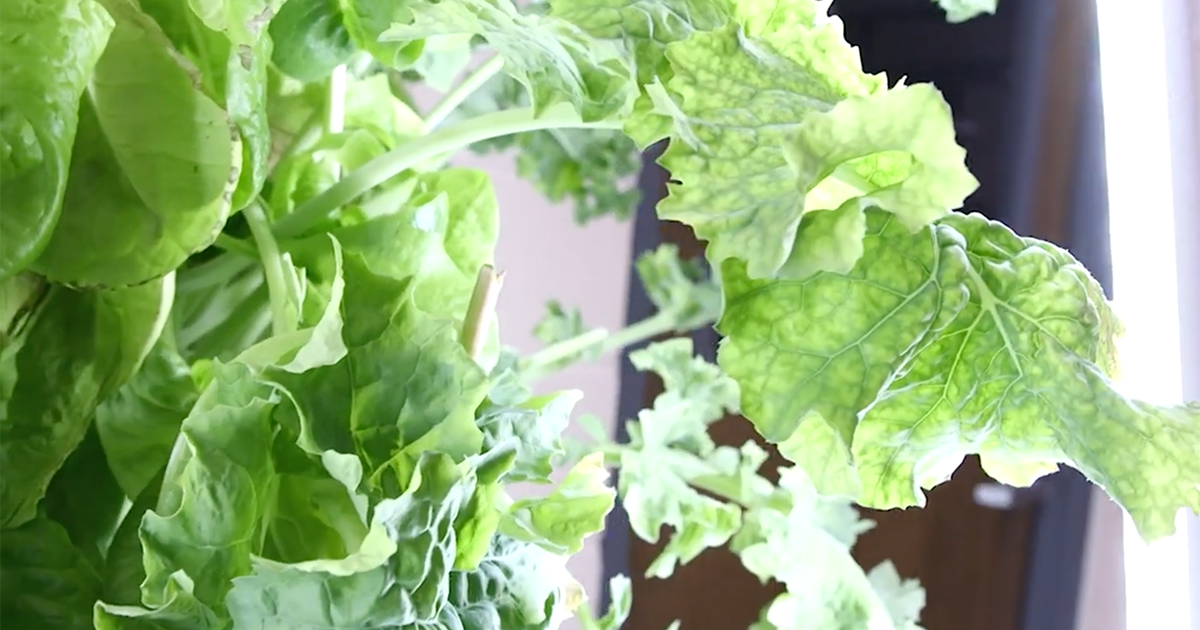
Inside James Judson’s agriculture classroom at Feagin Mill Middle School, the sound of water trickling through a hydroponic tower garden is now a familiar backdrop. Thanks to a Bright Ideas Grant from Flint Energies, Judson — an ag teacher and FFA advisor — was able to bring the technology into his classroom and give students in Warner Robins a hands-on look at the future of agriculture.
“It funded the purchase of the tower garden and the first materials to get it started — the rockwool, nutrients, fertilizer,” Judson said. “It’s not difficult at all. It’s really easier than traditional gardens because it’s using more technology.”
For Judson, the tower garden is more than a classroom tool — it’s a bridge. In a city like Warner Robins, where many students live in apartments and subdivisions, traditional row crop agriculture can feel distant. Hydroponics offers a different entry point.
“Agriculture is a little different here than in more rural Georgia, where agronomy and row crops may not relate as much to these students. But they can see technology being used, and gardens — that’s something they can relate to,” Judson said. “Agriculture is Georgia’s biggest industry, and one in seven Georgians work in agriculture. It’s important for all of our young students to realize that in each class I teach, about four of them will end up working in agriculture someday.”
To take the learning even further, Judson’s class toured a large commercial hydroponic facility in Houston County — and for eighth grader Kinley Harter, the visit left a lasting impression.
“Seeing the plants, the machinery, the outside, the process, the packaging — it was really impactful because it got me thinking, like, I could do this someday,” Harter said.
Back in the classroom, the hydroponic tower runs almost entirely on its own. A reservoir at the base pumps water to the top, where it trickles down over the roots before cycling back and repeating — all on an automated timer, including the grow lights.
“It’ll cut on every few minutes, supply water to the roots, then sit and turn on again,” Judson explained. “The lights are all on a timer so we can adjust how much sunlight they get. It’s just all automated.”
The process starts small — seeds placed in rockwool cubes and covered with vermiculite — before moving into the tower after about six days. From there, it takes roughly a month for lettuce to reach harvest size. For Harter, watching that growth cycle from start to finish is one of the best parts of the class.
“You walk in and you see the growth of it — it grows on its own,” she said.
The tower garden is just one part of a broader agricultural education program at Feagin Mill. The school also maintains a greenhouse and raised garden beds, with students starting plants from seed as early as sixth grade. Each year, they hold a plant sale to showcase everything they’ve learned.
“You have to really learn the balance. Sometimes when you grow plants you can tell — the leaves are getting brown, so there’s too much sunlight, or it’s not growing because there’s too much water,” Harter said.
Before taking Judson’s class, Harter says her gardening experience didn’t go much beyond holding the watering can for her mom. Now, she’s got a message for students who might be hesitant to try something new.
“Don’t be afraid to do something you’ve never done before just because you don’t have the experience. Go in and learn — go in and say, ‘I can do this.’ If you have the mindset, you have the mobility, you have everything. You can do it.”